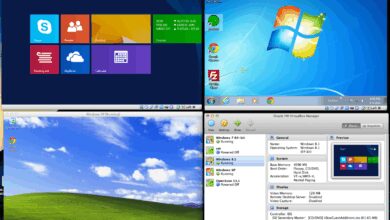
Ever wondered what keeps your computer running smoothly behind the scenes? It’s not magic—it’s system files. These hidden yet vital components are the backbone of every operating system, silently managing everything from boot-up to app execution.




What Are System Files and Why They Matter

At the core of every operating system lies a network of critical components known as system files. These files are essential for the proper functioning of your computer, ensuring that hardware and software communicate seamlessly. Without them, your system would fail to boot or operate correctly.
Definition and Core Function
System files are pre-installed files that form the foundation of an operating system. They include configuration files, dynamic link libraries (DLLs), kernel modules, and boot loaders. These files enable the OS to manage memory, process instructions, and interface with hardware devices.
- They control system startup and shutdown processes.
- They manage user authentication and security protocols.
- They facilitate communication between software and hardware.
According to Microsoft’s official documentation, system files like ntoskrnl.exe and hal.dll are crucial for Windows kernel operations (Microsoft Learn).
Different Types of System Files
Not all system files serve the same purpose. They can be categorized based on their function and location within the OS architecture.
- Boot Files: Such as
bootmgrandBCD(Boot Configuration Data), responsible for initiating the OS loading process. - Registry Files: Including
SYSTEM,SOFTWARE, andSECURITY, stored inC:WindowsSystem32config, which hold configuration settings. - Dynamic Link Libraries (DLLs): Shared libraries like
kernel32.dllanduser32.dllthat provide functions used by multiple programs.
“System files are the unsung heroes of computing—without them, even the most powerful hardware would be useless.” — TechRadar, 2023
How System Files Work in Different Operating Systems
While the concept of system files is universal across operating systems, their implementation varies significantly between platforms like Windows, macOS, and Linux. Each OS has its own structure, naming conventions, and protection mechanisms.
Windows System Files Architecture
Windows relies heavily on a centralized registry and a suite of executable and library files located primarily in the C:WindowsSystem32 directory. These files are protected by mechanisms like Windows File Protection (WFP) and System File Checker (SFC).
ntldr(in older versions) orwinload.exe(in modern versions) loads the kernel.smss.exe(Session Manager Subsystem) initializes the user session.csrss.exemanages console windows and part of the Win32 subsystem.
Microsoft enforces strict access controls to prevent unauthorized modification of these files. For example, attempting to delete lsass.exe triggers a system alert because it handles local security and login policies (Windows File Protection).
macOS System Files Structure
macOS, built on Unix foundations, organizes system files under directories like /System, /Library, and /usr. Unlike Windows, macOS uses a more modular approach with bundles and plists (property list files).
launchdreplaces traditional init systems, managing system-wide and per-user daemons..plistfiles in/System/Library/LaunchDaemonsdefine how services start and behave.- The
mach_kernel(now largely integrated into the XNU kernel) handles low-level operations.
Apple’s System Integrity Protection (SIP) prevents even administrators from modifying critical system files, enhancing security against malware (Apple Support on SIP).
Linux System Files and Directory Hierarchy
Linux follows the Filesystem Hierarchy Standard (FHS), which defines the structure and purpose of directories like /bin, /sbin, /etc, and /lib. System files here are often scripts, binaries, and configuration files.
/etc/fstabdefines how disk partitions are mounted at boot./etc/passwdand/etc/shadowstore user account information.initorsystemdprocesses manage service initialization.
On Ubuntu and other Debian-based systems, tools like dpkg and apt verify the integrity of system files during package installation (Debian Reference).
Common Issues Caused by Corrupted System Files
When system files become corrupted due to malware, improper shutdowns, or failed updates, the consequences can range from minor glitches to complete system failure. Recognizing the symptoms early can prevent data loss and downtime.
Signs of System File Corruption
Corruption in system files often manifests through observable system behaviors. These signs should not be ignored:
- Blue Screen of Death (BSOD) with errors like
SYSTEM_SERVICE_EXCEPTIONorKERNEL_DATA_INPAGE_ERROR. - Failure to boot, getting stuck at the logo screen or showing missing
bootmgr. - Applications crashing unexpectedly, especially system utilities like Task Manager or Control Panel.
- Slow performance or frequent freezing, indicating resource mismanagement.
A corrupted hal.dll file, for instance, can prevent Windows from loading hardware abstraction layer components, leading to boot failure.
Causes of System File Damage
Understanding the root causes helps in preventing future issues:
- Malware Infections: Viruses like ransomware or rootkits often target system files to gain persistence.
- Power Outages: Sudden shutdowns during updates can leave files in an inconsistent state.
- Hardware Failures: Bad sectors on a hard drive can corrupt data stored in system directories.
- Improper Software Installation: Some third-party tools overwrite or delete critical files without backup.
According to a 2022 report by Kaspersky, over 30% of system instability cases were linked to malware tampering with system files.
“A single corrupted DLL can cascade into a full system crash—proactive monitoring is key.” — PCMag, 2023
How to Repair Damaged System Files
Fortunately, modern operating systems come with built-in tools to detect and repair corrupted system files. Knowing how to use them can save you from a full OS reinstall.
Using Windows System File Checker (SFC)
The SFC tool scans protected system files and replaces incorrect versions with correct ones from the cached copy in %WinDir%System32dllcache.
- Open Command Prompt as Administrator.
- Type
sfc /scannowand press Enter. - Wait for the scan to complete; it may take 15–30 minutes.
If SFC finds corruption but cannot fix it, you may need to run DISM /Online /Cleanup-Image /RestoreHealth first to repair the component store (Microsoft SFC Guide).
Restoring System Files on macOS
macOS offers several recovery options:
- Boot into Recovery Mode (Command + R) and use Disk Utility to repair the disk.
- Reinstall macOS from recovery without erasing data—this replaces system files while preserving user content.
- Use
fsckin single-user mode to check and repair filesystem inconsistencies.
Note: SIP must be disabled temporarily in some advanced cases, though this is not recommended for average users.
Fixing System Files in Linux Distributions
Linux users have powerful command-line tools at their disposal:
- On Debian/Ubuntu:
sudo dpkg --verifychecks file integrity;sudo apt-get install --reinstall <package>reinstalls corrupted packages. - On Red Hat/CentOS:
rpm --verify <package>detects changes;yum reinstall <package>restores files. - Use
fsckto check and repair the root filesystem (must be done offline).
For example, if /etc/passwd is missing, you can restore it from a backup or regenerate it using pwconv after reinstalling the passwd package.
How to Protect System Files from Unauthorized Changes
Prevention is always better than cure. Securing system files against tampering ensures system stability and enhances security.
Enable Built-in Protection Mechanisms
Modern OSes include robust protection layers:
- Windows: Turn on Windows Defender and ensure SFC is scheduled regularly.
- macOS: Keep SIP enabled and avoid running unsigned kernel extensions.
- Linux: Use
chattr +ito make critical files immutable (e.g.,chattr +i /etc/passwd).
Additionally, enable Controlled Folder Access in Windows 10/11 to block unauthorized apps from modifying protected folders like C:Windows.
Use Antivirus and Anti-Malware Tools
Regular scans with trusted security software can detect threats before they damage system files.
- Malwarebytes scans for rootkits that hide in system directories.
- Windows Defender Offline can remove deep-seated infections.
- ClamAV is a reliable open-source antivirus for Linux servers.
A 2023 study by AV-Test Institute showed that real-time protection reduced system file corruption incidents by 68%.
Regular Backups and System Restore Points
Maintaining backups of system state allows quick recovery:
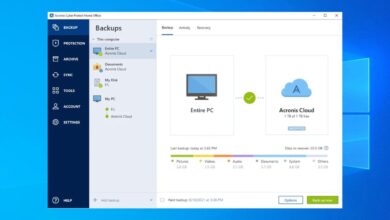
- Use Windows Backup and Restore or File History to save system images.
- Create restore points before installing new software or drivers.
- On macOS, Time Machine automatically backs up system files.
- Linux users can use
rsyncorTimeshiftfor snapshot-based recovery.
Having a recent restore point can revert the system to a stable state within minutes.
Can You Safely Modify System Files?
While it’s technically possible to edit system files, doing so is risky and generally discouraged unless you fully understand the implications.
When Modification Might Be Necessary
There are rare scenarios where modifying system files is justified:
- Troubleshooting a specific bug that requires registry tweaks.
- Customizing system behavior in development environments.
- Disabling telemetry or unwanted services in privacy-focused setups.
For example, editing the hosts file (C:WindowsSystem32driversetchosts) is a common and safe way to block websites or redirect domains.
Risks of Editing System Files
The dangers of improper modification include:
- Bricking the operating system, making it unbootable.
- Creating security vulnerabilities by weakening access controls.
- Voiding warranties or support agreements (especially on enterprise systems).
Always create a system restore point or backup before making changes. Use tools like Process Monitor to track file access and avoid unintended overwrites.
“Editing system files is like performing surgery on your OS—only do it if you’re trained and have a backup plan.” — Wired, 2022
Advanced Tools for Managing System Files
Beyond built-in utilities, advanced users and IT professionals rely on specialized tools to monitor, analyze, and manage system files effectively.
Windows Sysinternals Suite
Developed by Microsoft, this free toolkit includes powerful utilities:
- Process Explorer: Replaces Task Manager, showing which processes are using specific system files.
- AutoRuns: Displays all programs configured to run at startup, including registry and DLL entries.
- Handle: Lists open file handles, useful for identifying locked system files.
These tools are invaluable for diagnosing system file conflicts and unauthorized access (Microsoft Sysinternals).
Linux System Monitoring Tools
Linux offers granular control through command-line tools:
lsof: Lists open files and the processes using them.inotifywait: Monitors file system events in real time.auditd: Logs file access and modifications for security auditing.
For example, auditctl -w /etc/passwd -p wa sets up alerts when the passwd file is written to or accessed.
Third-Party System Utilities
Commercial tools offer user-friendly interfaces and automation:
- CCleaner: Cleans temporary files and manages startup items (use with caution).
- Glary Utilities: Includes a system restore module and file repair tools.
- MacPaw CleanMyMac: Optimizes macOS by removing junk and verifying system files.
Always download such tools from official sources to avoid fake versions that install malware.
Future of System Files: Trends and Innovations
As operating systems evolve, so do the nature and management of system files. Emerging technologies are reshaping how these files are stored, protected, and updated.
Immutable Operating Systems
New OS designs like Fedora Silverblue and Windows Core OS use immutable system partitions. The core system files are read-only, preventing accidental or malicious changes.
- Updates are applied atomically—either fully succeed or roll back.
- Applications run in containers, isolating them from system files.
- Enhances security and stability, especially in enterprise environments.
This model reduces the risk of system file corruption and simplifies recovery.
Cloud-Based System File Management
With the rise of cloud-native operating systems (e.g., Chrome OS, Windows 365), system files are increasingly managed remotely.
- Updates are pushed seamlessly from the cloud.
- System integrity is verified using trusted platform modules (TPMs).
- Local file tampering is detected and corrected automatically.
Google’s Chrome OS uses verified boot to ensure system files haven’t been altered since the last update.
AI-Powered System Monitoring
Artificial intelligence is being integrated into system health tools:
- AI detects anomalous file access patterns that may indicate malware.
- Predictive analytics identify failing hardware before it corrupts files.
- Automated repair suggestions reduce downtime.
Microsoft’s Windows Autopatch and Azure Monitor already use AI to streamline system maintenance.
What are system files?
System files are essential components of an operating system that manage core functions like booting, hardware communication, and security. Examples include DLLs, kernel files, and configuration files located in protected directories like C:WindowsSystem32 or /System on macOS.
Can I delete system files to free up space?
No, you should never manually delete system files. Doing so can render your operating system unusable. If you need to free up space, use built-in tools like Disk Cleanup or Storage Sense in Windows, or optimize storage on macOS and Linux through safe methods.
How do I know if my system files are corrupted?
Symptoms include frequent crashes, blue screens, failure to boot, or error messages about missing files like ‘hal.dll not found’. Run diagnostic tools like SFC on Windows, fsck on Linux, or reinstall macOS from recovery to check integrity.
Is it safe to edit the Windows registry?
Editing the registry can be safe if done carefully and with proper knowledge, but it’s risky. Always back up the registry before making changes. Incorrect edits can cause system instability or prevent Windows from starting.
What’s the difference between system files and program files?
System files are part of the operating system and are required for basic functionality. Program files belong to installed applications (like Chrome or Photoshop) and are not essential for the OS to run, though they may depend on system files to function.
System files are the invisible foundation of your computer’s operation. From booting up to running applications, they play a critical role in maintaining stability, security, and performance. While they’re designed to be protected, understanding their function, recognizing signs of corruption, and knowing how to repair or safeguard them empowers users to maintain a healthy system. As technology advances, the way we manage these files will continue to evolve—with trends like immutable OS designs and AI-driven monitoring leading the way. Whether you’re a casual user or an IT professional, respecting the importance of system files is key to a smooth computing experience.
Further Reading: