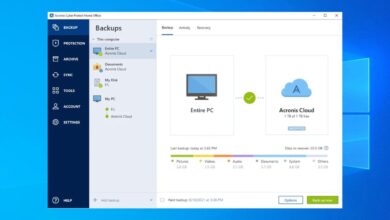
System recovery isn’t just a tech buzzword—it’s your digital lifeline. Whether you’re facing a sudden crash, malware invasion, or accidental deletion, knowing how to restore your system can save hours, data, and sanity. Let’s dive into the ultimate guide to mastering system recovery with proven strategies, tools, and insights.






What Is System Recovery and Why It Matters

At its core, system recovery refers to the process of restoring a computer’s operating system, files, and settings to a functional state after a failure or corruption. It’s a critical component of IT infrastructure, personal computing, and enterprise security protocols. Without effective system recovery mechanisms, data loss, downtime, and financial damage become inevitable.
Defining System Recovery in Modern Computing
System recovery encompasses a range of techniques and tools designed to bring a malfunctioning system back to life. This includes restoring from backups, using recovery partitions, booting from external media, or leveraging cloud-based restore points. The goal is always the same: minimize disruption and maximize data integrity.
- It applies to both hardware and software failures.
- It can be automated or manually triggered.
- It supports various operating systems, including Windows, macOS, and Linux.
Common Causes of System Failure
Understanding what triggers the need for system recovery is the first step in prevention. Common causes include:
Malware and ransomware attacks: These malicious programs can corrupt system files or encrypt data, rendering the system unusable.Hardware failures: Hard drive crashes, power surges, or failing SSDs often require full system restoration.Software conflicts: Incompatible drivers, failed updates, or misconfigured applications can destabilize an OS.User errors: Accidental deletion of critical files or incorrect system modifications are surprisingly common.
.”A system without a recovery plan is like a ship without a lifeboat—vulnerable the moment the storm hits.” — IT Security Expert, Jane Lin
Types of System Recovery Methods
Not all recovery methods are created equal.The best approach depends on your system configuration, the nature of the failure, and your preparedness.Below are the most widely used system recovery techniques in 2024..
System Restore Points (Windows)
One of the most accessible system recovery tools for Windows users is System Restore. This feature creates snapshots of system files, registry settings, and installed programs at specific intervals or before major changes (like software installations).
- Does not affect personal files (documents, photos, etc.).
- Can be accessed via Safe Mode or recovery environment.
- Limited by disk space and frequency of restore point creation.
For detailed instructions, visit Microsoft’s official guide on using System Restore.
Time Machine (macOS)
Apple’s Time Machine is a robust system recovery solution that automatically backs up the entire system to an external drive or network location. It allows users to roll back to any point in time, making it ideal for both file recovery and full system restoration.
- Backs up everything: apps, system files, music, photos, and settings.
- Supports incremental backups, saving time and storage.
- Can restore to a new Mac if the original fails.
Learn more at Apple’s Time Machine support page.
Linux Recovery with Live CDs/USBs
Linux users often rely on live bootable media (like Ubuntu Live USB) for system recovery. These tools allow you to boot into a temporary OS and perform repairs, data extraction, or full reinstallation.
- Highly flexible and customizable.
- Can recover data even if the root partition is corrupted.
- Requires technical knowledge for advanced repairs.
Creating a Foolproof System Recovery Plan
Reactive fixes are risky. A proactive system recovery plan ensures you’re never caught off guard. This involves assessing risks, choosing the right tools, and testing your strategy regularly.
Assessing Your Recovery Needs
Before implementing any system recovery method, evaluate:
- Data sensitivity: How critical is your data? Is it encrypted?
- Downtime tolerance: Can your business or workflow afford hours of inactivity?
- System complexity: Are you managing a single PC or a network of servers?
These factors determine whether you need basic backup tools or enterprise-grade disaster recovery solutions.
Choosing the Right Backup Strategy
The 3-2-1 backup rule is a gold standard in system recovery planning:
- 3 copies of your data (primary + 2 backups).
- 2 different media types (e.g., external drive + cloud).
- 1 offsite copy (cloud or physical drive stored elsewhere).
This strategy minimizes the risk of total data loss due to fire, theft, or natural disasters.
Automating System Recovery Processes
Manual backups are prone to human error. Automation ensures consistency and reliability. Tools like:
- Windows Backup and Restore
- macOS Time Machine (scheduled backups)
- Third-party software like Acronis True Image or Veeam
can be configured to run daily, weekly, or after specific events (e.g., system updates).
Step-by-Step Guide to Performing System Recovery
When disaster strikes, knowing the exact steps to take can mean the difference between a quick fix and a prolonged outage. Here’s a universal guide applicable to most operating systems.
Step 1: Diagnose the Problem
Before initiating system recovery, identify the root cause:
- Does the system fail to boot?
- Are there error messages (e.g., BSOD, kernel panic)?
- Is performance severely degraded?
Use diagnostic tools like Windows Memory Diagnostic, Disk Utility (macOS), or fsck (Linux) to assess hardware and file system health.
Step 2: Boot into Recovery Mode
Most modern operating systems include a built-in recovery environment:
- Windows: Hold Shift while clicking Restart, or use a recovery drive.
- macOS: Restart and hold Command + R for Recovery Mode.
- Linux: Boot from a live USB and access recovery options.
This environment provides access to repair tools without loading the main OS.
Step 3: Execute the Recovery Method
Depending on your diagnosis, choose the appropriate action:
- Restore from a system image or backup.
- Use System Restore (Windows) or Time Machine (macOS).
- Reinstall the OS as a last resort.
Always verify the integrity of backup files before restoration to avoid propagating corruption.
Top Tools for System Recovery in 2024
The right tools make system recovery faster, more reliable, and less stressful. Here are the top-rated solutions across platforms.
Windows: Built-in and Third-Party Tools
Windows offers several native recovery options:
- System Restore: Roll back system changes.
- Reset This PC: Reinstall Windows while keeping or removing files.
- Advanced Startup Options: Access recovery tools from boot.
Third-party tools like Macrium Reflect Free and Paragon Backup & Recovery offer enhanced imaging and scheduling features.
macOS: Time Machine and Disk Utility
Apple’s ecosystem excels in user-friendly recovery:
- Time Machine: Full system and file-level recovery.
- Disk Utility: Repair disk permissions, check for errors, and erase drives.
- Migration Assistant: Restore to a new Mac seamlessly.
For advanced users, third-party tools like Carbon Copy Cloner provide bootable backups.
Linux: Clonezilla and Timeshift
Linux users benefit from powerful open-source tools:
- Clonezilla: A disk imaging and cloning tool that supports system recovery across multiple machines.
- Timeshift: Inspired by Windows System Restore, it creates snapshots of system files and settings.
- rsync: A command-line tool for incremental backups and file synchronization.
These tools are especially valuable for servers and development environments.
Cloud-Based System Recovery Solutions
As remote work and cloud computing grow, so does the demand for cloud-based system recovery. These solutions offer offsite protection, automatic syncing, and rapid deployment.
Benefits of Cloud Recovery
Cloud-based system recovery eliminates the need for physical storage media and provides several advantages:
- Accessibility: Restore your system from anywhere with an internet connection.
- Scalability: Easily increase storage as your data grows.
- Security: Reputable providers offer encryption and compliance with data protection standards.
- Automation: Scheduled backups run without user intervention.
Leading Cloud Recovery Services
Popular cloud-based system recovery platforms include:
- Backblaze: Offers continuous backup and full system restore for Windows and macOS. Learn more at Backblaze.com.
- Carbonite: Provides automatic backup and disaster recovery for individuals and businesses.
- Acronis Cyber Protect: Combines backup, anti-malware, and AI-driven recovery in one platform.
These services are ideal for users who want hands-off protection.
Hybrid Recovery: Local + Cloud
The most resilient system recovery strategy combines local and cloud backups. This hybrid approach ensures fast local restores while maintaining offsite redundancy.
- Use an external drive for daily backups.
- Sync critical data to the cloud weekly.
- Test both recovery paths regularly.
This method aligns perfectly with the 3-2-1 backup rule.
Common Mistakes to Avoid in System Recovery
Even with the best tools, mistakes can derail your recovery efforts. Awareness is the first step to prevention.
Not Testing Your Backups
Many users assume their backups are working—until they need them. Regularly test your system recovery process by performing a trial restore on a secondary device or virtual machine.
- Verify file integrity.
- Check recovery time.
- Ensure all critical data is included.
Ignoring Recovery Drive Maintenance
External drives used for system recovery can fail too. Monitor their health, avoid physical damage, and update them regularly to include recent system changes.
- Check for bad sectors.
- Reformat and reimage periodically.
- Store in a safe, dry place.
Overlooking Firmware and Driver Backups
System recovery isn’t just about files and OS. Critical drivers and firmware settings are often overlooked but essential for full functionality.
- Document driver versions before major updates.
- Use tools like Driver Booster or Snappy Driver Installer to create driver backups.
- Store firmware settings in a secure location.
Future Trends in System Recovery Technology
The landscape of system recovery is evolving rapidly, driven by AI, automation, and decentralized storage. Staying ahead of these trends ensures your recovery strategy remains effective.
AI-Powered Recovery Systems
Artificial intelligence is being integrated into backup and recovery tools to predict failures, detect anomalies, and automate responses. For example, AI can analyze system logs to identify patterns that precede crashes and trigger preemptive backups.
- Reduces human intervention.
- Improves recovery speed and accuracy.
- Enables predictive maintenance.
Blockchain for Data Integrity
Blockchain technology is being explored for immutable backup logging. By recording backup hashes on a blockchain, organizations can verify that their backups haven’t been tampered with—a crucial feature in cybersecurity and compliance.
- Prevents unauthorized modifications.
- Provides audit trails for regulatory purposes.
- Enhances trust in cloud-based recovery.
Edge Computing and Decentralized Recovery
As edge computing grows, system recovery is shifting toward decentralized models. Instead of relying on a central server, devices can recover from peer-to-peer networks or local nodes, reducing latency and dependency on internet connectivity.
- Ideal for remote or offline environments.
- Supports IoT and smart device ecosystems.
- Increases resilience against network outages.
What is system recovery?
System recovery is the process of restoring a computer’s operating system, settings, and files to a functional state after a failure, corruption, or crash. It can involve using backups, restore points, or recovery media to bring the system back online.
How often should I create a system recovery point?
It’s recommended to create a system recovery point at least once a week, or before making major changes like installing new software, updating drivers, or upgrading the OS. For critical systems, daily snapshots are ideal.
Can I recover files after a system reset?
It depends on the type of reset. A ‘Reset this PC’ option in Windows allows you to keep your files while reinstalling the OS. However, a full format or clean install may erase everything. Always back up important data before any reset.
Is cloud-based system recovery safe?
Yes, when using reputable providers with strong encryption and compliance standards. Cloud recovery protects against physical damage and theft, but ensure you use strong passwords and two-factor authentication for added security.
What’s the difference between backup and system recovery?
A backup is a copy of your data, while system recovery refers to the process of using that backup (or other tools) to restore the entire system to a working state. Recovery includes OS, settings, and applications, not just files.
System recovery is not a luxury—it’s a necessity in today’s digital world. From simple file restoration to full OS reinstalls, having a robust recovery strategy protects your data, saves time, and reduces stress. Whether you’re a casual user or an IT professional, understanding the tools, methods, and best practices of system recovery empowers you to act quickly and confidently when disaster strikes. By combining local and cloud backups, automating processes, and staying informed about emerging technologies, you can build a recovery plan that’s resilient, reliable, and ready for any challenge.
Further Reading: