Ever had your PC act up after a software glitch or failed update? Don’t panic—system restore might be your digital lifeline. This powerful Windows feature lets you roll back your computer to a previous, stable state, undoing harmful changes without losing personal files. Let’s dive into everything you need to know.





What Is System Restore and How Does It Work?

System Restore is a built-in recovery tool in Microsoft Windows that allows users to revert their computer’s system files, settings, and installed programs to a previous point in time. It’s not a backup tool per se, but rather a safety net designed to protect your system from instability caused by software changes, driver updates, or malware.
Understanding Restore Points
At the heart of System Restore are restore points—snapshots of your system configuration taken automatically or manually. These include registry settings, system files, and program installations, but not personal files like documents, photos, or emails.
- Automatic restore points are created before major system events (e.g., Windows updates or software installations).
- Manual restore points can be created by users before making risky changes.
- Restore points are stored on your local hard drive, typically in the
System Volume Informationfolder.
“System Restore is like a time machine for your PC—it doesn’t save your photos, but it can save your operating system.” — Microsoft Support
How System Restore Protects Your PC
When a system failure occurs—such as a blue screen, failed driver installation, or corrupted settings—System Restore can revert the system to a functional state. It does this by replacing altered system files and registry entries with those from the selected restore point.
- It monitors changes to critical system components.
- It uses a proprietary file protection mechanism called Windows File Protection (WFP).
- It operates in the background with minimal performance impact when not in use.
When Should You Use System Restore?
Knowing when to trigger a system restore can save you hours of troubleshooting. It’s not meant for routine use, but rather for specific recovery scenarios where your system becomes unstable or unresponsive.
After a Failed Windows Update
One of the most common reasons to use system restore is after a problematic Windows update. Sometimes, updates can cause boot failures, performance issues, or compatibility problems with existing software.
- System Restore can roll back changes made during the update process.
- It’s especially useful if Safe Mode is accessible but the system won’t boot normally.
- Microsoft recommends using System Restore if an update causes your PC to stop working. Learn more on Microsoft’s official guide.
Following Malware or Virus Infections
While antivirus software should be your first line of defense, System Restore can help reverse changes made by malicious software—especially if the malware altered system settings or installed unwanted programs.
- It can undo registry modifications made by viruses.
- It may remove recently installed malicious software if restored to a point before infection.
- Caution: Some advanced malware can infect restore points, so it’s best to run a full antivirus scan first.
How to Enable and Configure System Restore
System Restore isn’t always enabled by default, especially on new installations or after a clean Windows setup. You’ll need to turn it on manually and configure disk space usage to ensure it functions properly.
Enabling System Restore on Windows 10/11
To activate System Restore, follow these steps:
- Press Windows + R, type
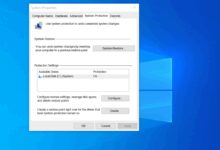
sysdm.cpl, and press Enter. - Go to the System Protection tab.
- Select your system drive (usually C:) and click Configure.
- Choose Turn on system protection and set a disk space usage limit (recommended: 5–10%).
- Click Apply and OK.
Once enabled, Windows will begin creating automatic restore points.
Creating Manual Restore Points
Before making significant changes—like installing new software, updating drivers, or tweaking system settings—it’s wise to create a manual restore point.
- In the System Protection tab, click Create.
- Enter a descriptive name (e.g., “Before Installing Graphics Driver”).
- Click Create and wait for confirmation.
This gives you a known-good state to return to if something goes wrong.
Step-by-Step Guide to Performing a System Restore
Executing a system restore is straightforward, but it’s crucial to follow the correct procedure to avoid unintended consequences.
Using System Restore from Windows
If you can boot into Windows normally or in Safe Mode, you can initiate System Restore through the Control Panel:
- Open Control Panel > Recovery > Open System Restore.
- Click Next and choose a restore point from the calendar.
- Select a point with a descriptive name and timestamp indicating stability.
- Review the list of programs that will be removed and confirm the restore.
- Click Finish and confirm you want to proceed.
The system will restart and begin the restoration process, which can take 10–30 minutes.
Using System Restore from Advanced Startup
If Windows won’t boot, you can still access System Restore via the Advanced Startup Options:
- Restart your PC and hold Shift while clicking Restart.
- Go to Troubleshoot > Advanced Options > System Restore.
- Follow the same selection and confirmation steps as above.
This method is essential when dealing with boot loops or critical system errors.
Common Issues and Troubleshooting Tips
While System Restore is generally reliable, users sometimes encounter problems that prevent it from working correctly.
System Restore Not Working: Causes and Fixes
If System Restore fails to start or complete, consider these common causes:
- Corrupted restore points: Use the
rstrui.execommand in Safe Mode to force the interface. - Insufficient disk space: Free up space on your system drive or increase the allocation in System Protection settings.
- Antivirus interference: Temporarily disable third-party antivirus software during the restore.
- Windows File Protection errors: Run
sfc /scannowin Command Prompt to repair system files.
For deeper issues, Microsoft’s System Restore troubleshooting guide offers advanced solutions.
What to Do If No Restore Points Exist
If you’ve never enabled System Restore or deleted all restore points, you may find yourself without a recovery option.
- Check if System Protection was disabled—re-enable it and create a new point immediately.
- Use third-party tools like Macrium Reflect Free to create full system images.
- Consider using Windows Reset or a clean install as a last resort.
Alternatives to System Restore
While System Restore is a powerful tool, it has limitations. In some cases, alternative recovery methods may be more effective.
Windows Reset This PC
This feature reinstalls Windows while giving you the option to keep or remove your files. It’s more comprehensive than System Restore and useful when the OS is severely damaged.
- Access it via Settings > System > Recovery.
- Choose Keep my files to reinstall Windows without deleting personal data.
- Choose Remove everything for a clean slate.
Third-Party Backup and Imaging Tools
Tools like Acronis True Image, Macrium Reflect, and EaseUS Todo Backup offer full disk imaging, which is more robust than System Restore.
- They create complete snapshots of your entire drive, including OS, apps, and files.
- Images can be stored externally, protecting against hardware failure.
- They allow bare-metal recovery, essential for major system crashes.
Best Practices for Using System Restore
To get the most out of System Restore, follow these expert-recommended practices to ensure reliability and effectiveness.
Schedule Regular Manual Restore Points
Don’t rely solely on automatic restore points. Create manual ones before:
- Installing new software or drivers.
- Performing major Windows updates.
- Changing system settings (e.g., registry edits).
This gives you precise control over recovery options.
Monitor Disk Space and Restore Point Age
System Restore uses a finite amount of disk space. Older restore points are automatically deleted when space runs out.
- Check the System Protection tab regularly to see available restore points.
- Adjust the maximum disk usage to preserve more points (but don’t exceed 10% on small drives).
- Delete old restore points manually if needed via Configure > Delete.
Security Considerations and Limitations
While System Restore is a valuable tool, it’s not without risks and limitations that users should understand.
Can Malware Survive a System Restore?
In some cases, sophisticated malware can infect restore points, allowing it to persist even after a restore.
- Some viruses specifically target the
System Volume Informationfolder. - Microsoft has addressed this in newer Windows versions by isolating restore points.
- Best practice: Disable System Restore, run a full antivirus scan, then re-enable it.
What System Restore Does NOT Do
It’s crucial to understand what System Restore cannot fix:
- It does not recover deleted personal files.
- It does not protect against hardware failure.
- It does not remove viruses automatically—only reverses system changes.
- It does not back up your data—use File History or external backups for that.
“System Restore is not a substitute for regular backups. Always keep your important files stored separately.” — TechRadar
What is System Restore used for?
System Restore is used to revert your computer’s system files, settings, and installed programs to a previous state, helping recover from system instability caused by software changes, driver issues, or failed updates—without affecting personal files.
Does System Restore delete personal files?
No, System Restore does not delete personal files such as documents, photos, music, or videos. It only affects system files, registry settings, and installed programs.
How do I turn on System Restore in Windows 11?
Press Windows + R, type sysdm.cpl, go to the System Protection tab, select your system drive, click Configure, and choose ‘Turn on system protection’. Set a disk space limit and click Apply.
Can I use System Restore if Windows won’t boot?
Yes, you can access System Restore from the Advanced Startup Options by restarting with Shift + Restart, then navigating to Troubleshoot > Advanced Options > System Restore.
How long do restore points last?
Restore points are stored until the allocated disk space is full. Windows automatically deletes the oldest points to make room for new ones. The lifespan depends on disk usage and how frequently changes occur.
System Restore remains one of Windows’ most underrated yet powerful recovery tools. When used correctly, it can save you from hours of frustration and technical support calls. By understanding how it works, when to use it, and how to maintain it, you gain a reliable safety net for your digital life. Combine it with regular backups and smart computing habits, and you’ll be prepared for almost any system crisis.
Recommended for you 👇
Further Reading: